Science
What we study
Biochemistry inside a cell is organized rather than well mixed. Molecules are concentrated and partitioned in space and time so that reactions proceed where and when they are needed. A central mechanism of this organization is the biomolecular condensate, a membraneless compartment that varies widely in size and composition, concentrates select biomolecules, and imposes a distinct physical and chemical environment on the reactions within. We quantify that environment with high precision and sensitivity, measuring concentration, density, viscosity, refractive index, pH, ion content, and solvent structure, and resolving how condensates form, mature, and dissolve under environmental stress.
This connection makes cellular adaptation a problem we can measure, model, and engineer.
Observe beyond barriers
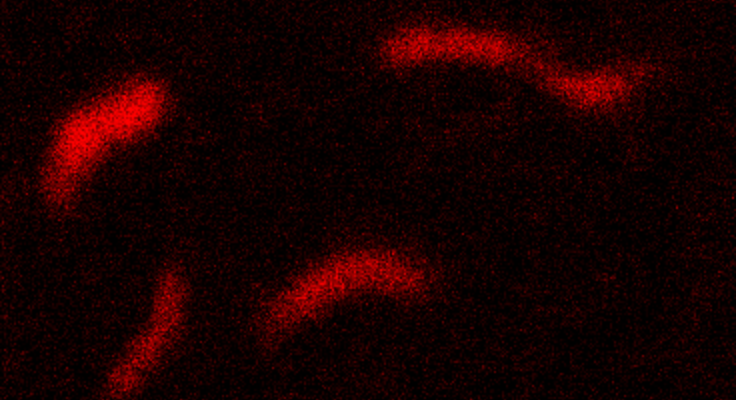
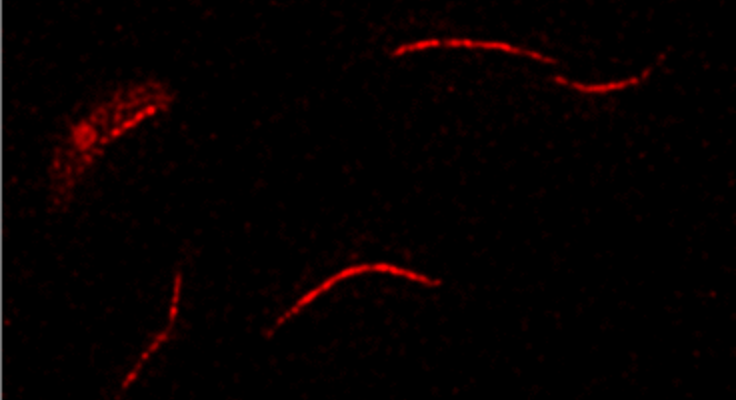
Our toolkit
Research themes
Chemical biology & biophotonics
Designer probes and light-based tools that make the hidden chemistry of cells visible.
Explore →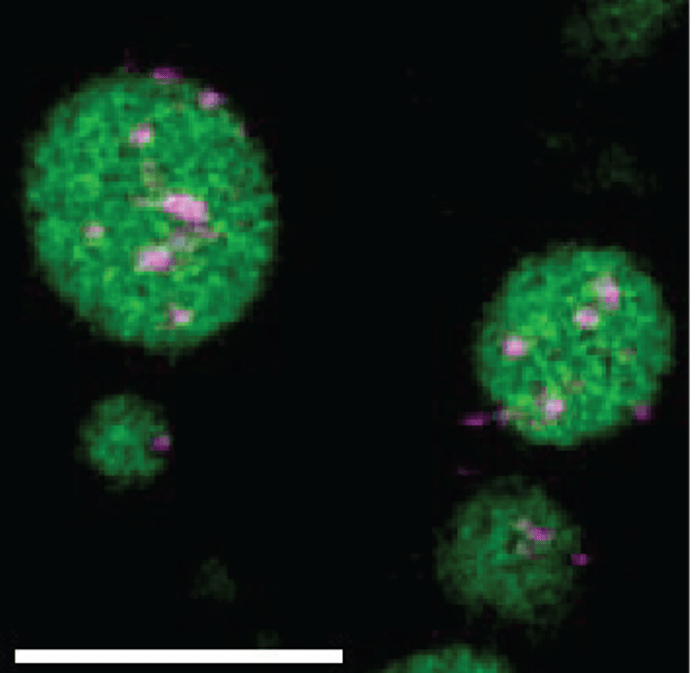
Phase separation in biology
Self-assembling membraneless organelles that sort, store, and tune biochemistry.
Explore →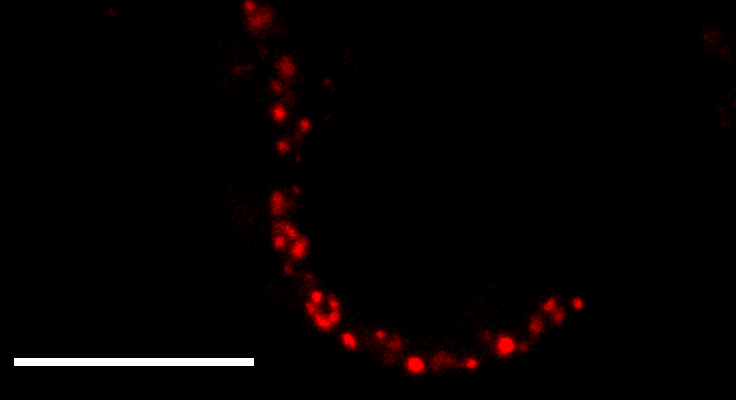
Cellular resilience
How cells sense stress and remodel themselves to survive a changing world.
Explore →